
Dark Calories: How Vegetable Oils Destroy Our Health and How We Can Get It Back
By Dr Catherine Shanahan
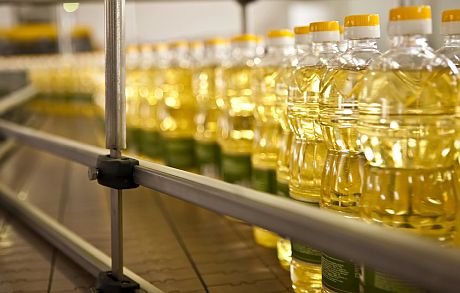
How Vegetable Oil Is Made To keep up with the huge demand, vegetable oil refining takes place inside astoundingly large factories. From the outside, these factories are indistinguishable from oil and gas refineries—like those you see in the opening sequence of The Sopranos, as Tony cruises a section of the Jersey Turnpike above the infamously smelly industrial section of the city of Elizabeth.
The Astonishing Truth About Dodgy Seed Oils
The process begins as the oilseeds are pumped out of the delivery trucks and into the factory via metal ductwork. They enter a series of large metal cooking and cleaning chambers that heat the seeds to between 400 and 600 degrees Fahrenheit several times, in preparation for oil extraction.
Next, they go into the extraction press itself, where the seeds are crushed through a large metal screw, called an expeller, that squeezes much of the oil from the meal. This first batch of oil emerges as a foamy grayish-yellow liquid with a waxy texture. The crushed meal, containing the solids and residual oil, emerges as dark brown flakes, referred to as the cake. For now, the cake and the oil will go their separate ways. The oil goes straight to the crude oil holding tank, while the cake requires additional treatments to release the valuable oil it still contains. To release its oil, the cake travels into a solvent treatment chamber to be washed with hexane (a component of gasoline).
The solvent removes all but 1 percent of the residual oil from the cake. The cake will be shipped off to a different building for additional treatments required to render it safer for its ultimate use, as an ingredient in animal feed. The hexane-treated oil, now dark brown, will pass through multiple other chambers to remove most of the hexane and various solids. One important stage collects the waxes as they drain slowly into a grate in the floor. These will be processed into vegetable shortening. Next, the hexane-treated portion is reunited with the expeller-pressed portion in a crude oil tank.
This crude oil is still not safe to eat. When I asked a process manager inside the industry why not, he answered candidly: “Crude vegetable oil contains hydratable and non-hydratable gums, free fatty acids, [partly oxidized] coloring pigments like carotenoids, moisture, [toxic] oxidative components like aldehydes and peroxides, metallic elements, waxes and other impurities.”10 That’s a lot to clean up. Refining the crude oil into a final “edible” oil is complicated. The American Oil Chemists’ Society (AOCS) publishes a series of lengthy manuals to educate engineers and chemists on best practices for oilseed production. The flowcharts alone take up quite a few pages.
Each flowchart maps out what’s involved in each of the major processing steps—degumming, dewaxing, deodorizing … the list goes on. (We’ll discuss the deodorizing step again later in this chapter, but for the sake of chocolate lovers, I want to take a moment to try to help you visualize the degumming step in particular. The gum is a dark brown material that emerges from a one-inch diameter steel pipe located about two feet above a cement floor. It plops into a receptacle bowl in gloopy segments, making it look for all the world like a machine having a loose bowel movement. That’s where vegetable lecithin, an ingredient used in many brands of chocolate candy, as well as vegan mayonnaise, gets pulled out before undergoing its own set of extensive cleanup operations.
Fortunately, the amount used in chocolate is tiny, so even though it faces the same safety challenges as seed oil—we’ll see why shortly—it’s not much of a dose.) Entire factories may specialize in just one of these major steps. Most flowcharts illustrate between twenty and forty different reaction chambers, each connected by what must amount to miles of tubes. I can’t imagine that any ingredient requires more intensive processing than vegetable oil.